CAMDEN GALEN
Back to projects
Senior capstoneWinter - Spring 2026

Autonomous Low-Speed EV Platform Development

Woodpecker is an open-source low-speed electric vehicle platform built around sustainability, modularity, and hands-on engineering. Our capstone team delivered a functional, reliable RC-controlled vehicle. The platform is now positioned for future autonomous development aimed at material transport and agricultural applications.

RC ControlVehicle IntegrationCANFuture Autonomy

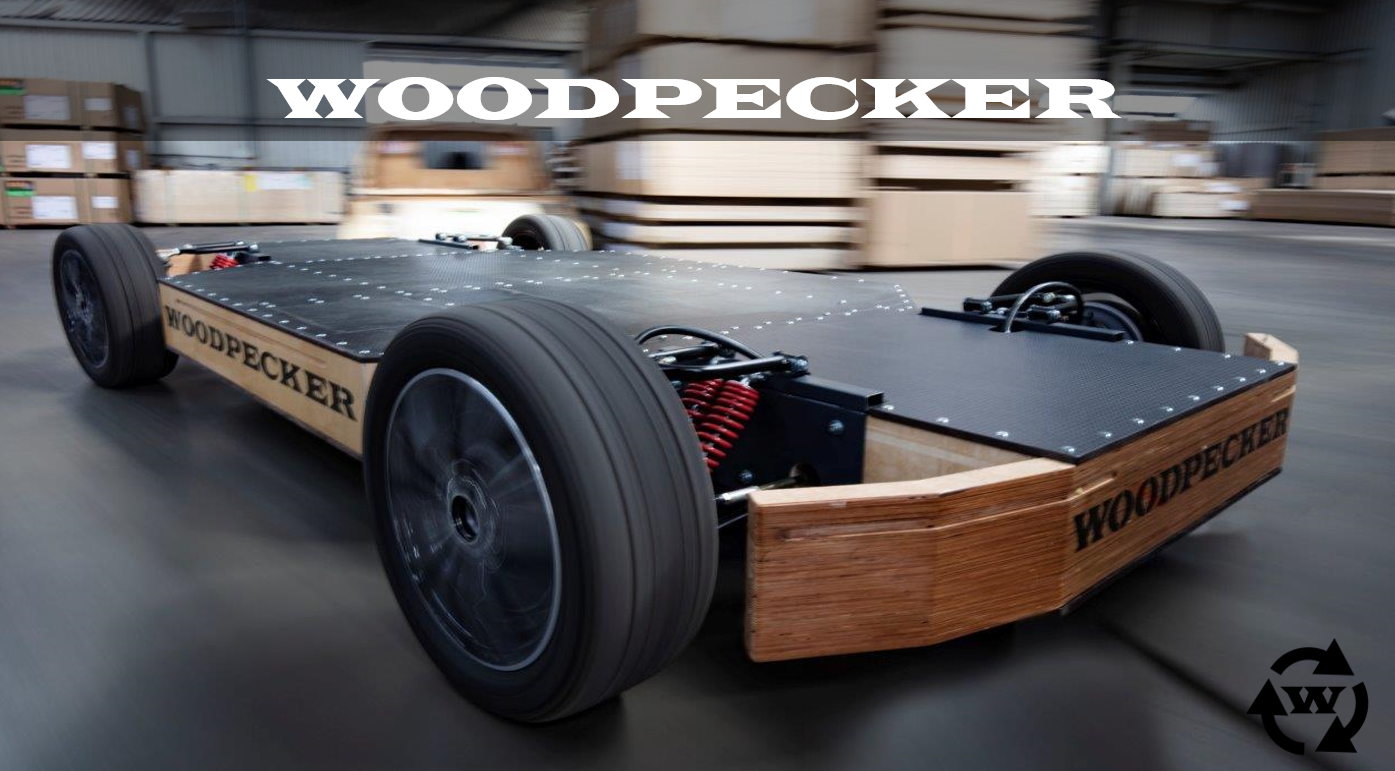
Woodpecker Chassis

Render of the Woodpecker low-speed electric vehicle platform

Design render of the Woodpecker platform showing the open-source chassis layout.

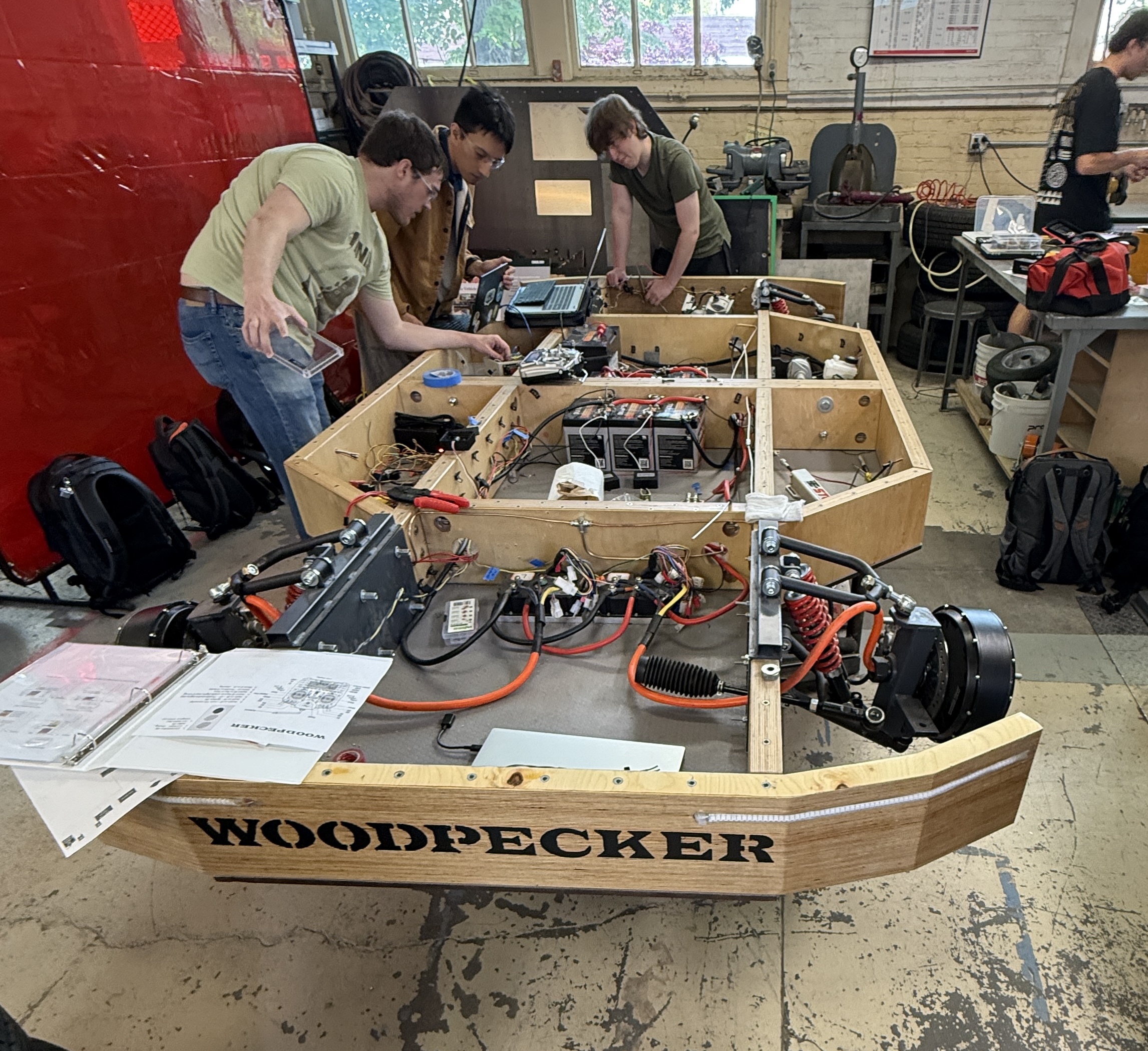
Capstone team integrating systems on the Woodpecker RC-controlled vehicle
System integration

The capstone team working through vehicle integration and system bring-up in the shop.

Final project outcome

The team completed a functional and reliable RC-controlled platform with integrated steering, acceleration, braking, electrical, and control systems. The final vehicle was demonstrated as an RC-controlled system rather than a fully autonomous vehicle.
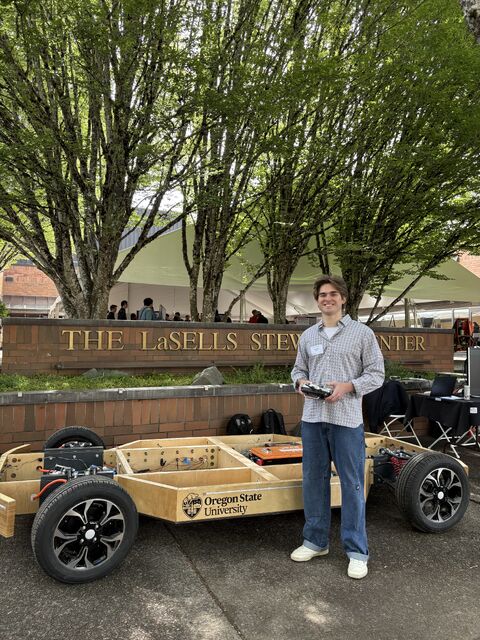
Camden Galen presenting the Woodpecker RC-controlled vehicle at the Engineering Expo
Engineering Expo presentation

I presented Woodpecker at the Oregon State Engineering Expo, demonstrating the completed RC-controlled platform and discussing its path toward future material-transport and agricultural applications.

Future implementation

Future teams can integrate the separately developed line-detection and obstacle-detection systems to support autonomous material transport and agricultural applications. Those perception capabilities were developed outside the final vehicle implementation and remain planned additions to the completed RC-controlled platform.

What I worked on

  • Integrated and tested RC control of steering, acceleration, and braking across the vehicle hardware and CAN network.
  • Supported system bring-up, component integration, testing, safety planning, and project documentation within a multidisciplinary team.
  • Documented a path for future autonomy while keeping separately developed line-detection and obstacle-detection work outside the final RC-controlled deliverable.

Supporting documents